Surface Care
Clean & Buff
Best when the finish is basically healthy but covered with soil, residue or mild haze.
- Deep-cleans the surface
- May improve appearance temporarily
- Does not add a new protective finish
- Does not repair finish wear
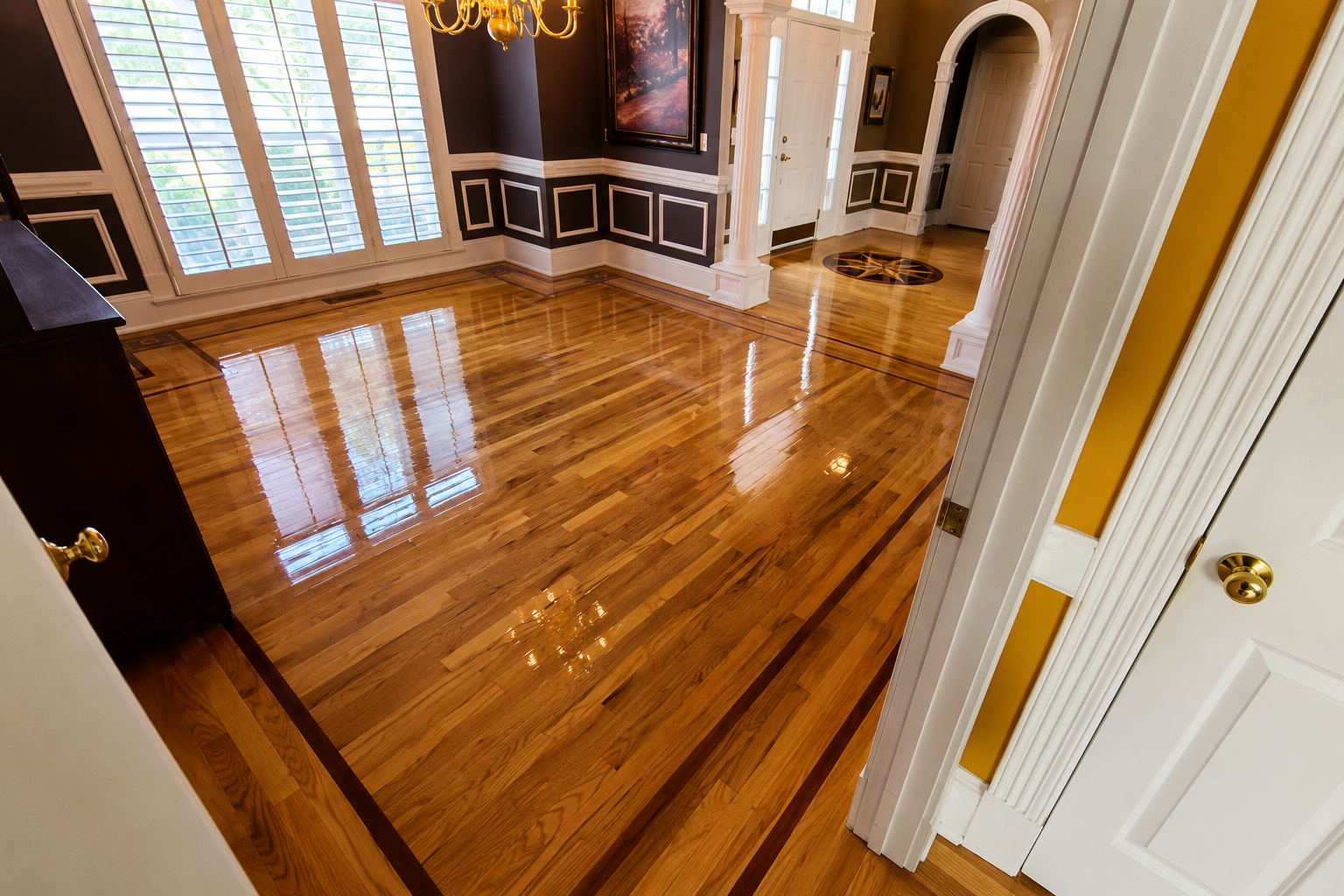
Not every worn hardwood floor needs to be sanded down to bare wood. Learn whether a professional screen and recoat can restore clarity, reduce surface wear and add years of protection—or whether your floor needs a different service.
Not sure whether your floors qualify? Text photos, a short video and approximate square footage for a free preliminary phone estimate. Detailed in-home consultations are $125 and credited toward the project when you hire True Clean.
Every hardwood floor is different. Some floors truly need a complete sanding and refinishing. Others can be beautifully restored with a professional Screen & Recoat—a faster, less invasive, and more affordable solution that can often be completed in just one day.
At True Clean Hardwood, we don't believe every floor should be sanded. Our job is to evaluate the condition of your hardwood floors and recommend the restoration that makes the most sense for your home, your goals, and your budget—not simply the most expensive option.
That's why we offer professional in-home consultations. Robert personally evaluates your hardwood floors, examining the finish, wear patterns, previous coatings, structural condition, and overall appearance before recommending the best solution.
If a Screen & Recoat will deliver the results you're looking for, that's exactly what we'll recommend. If your floors truly need a complete sanding and refinishing, we'll explain why, answer your questions, and walk you through the options so you can make an informed decision with confidence.
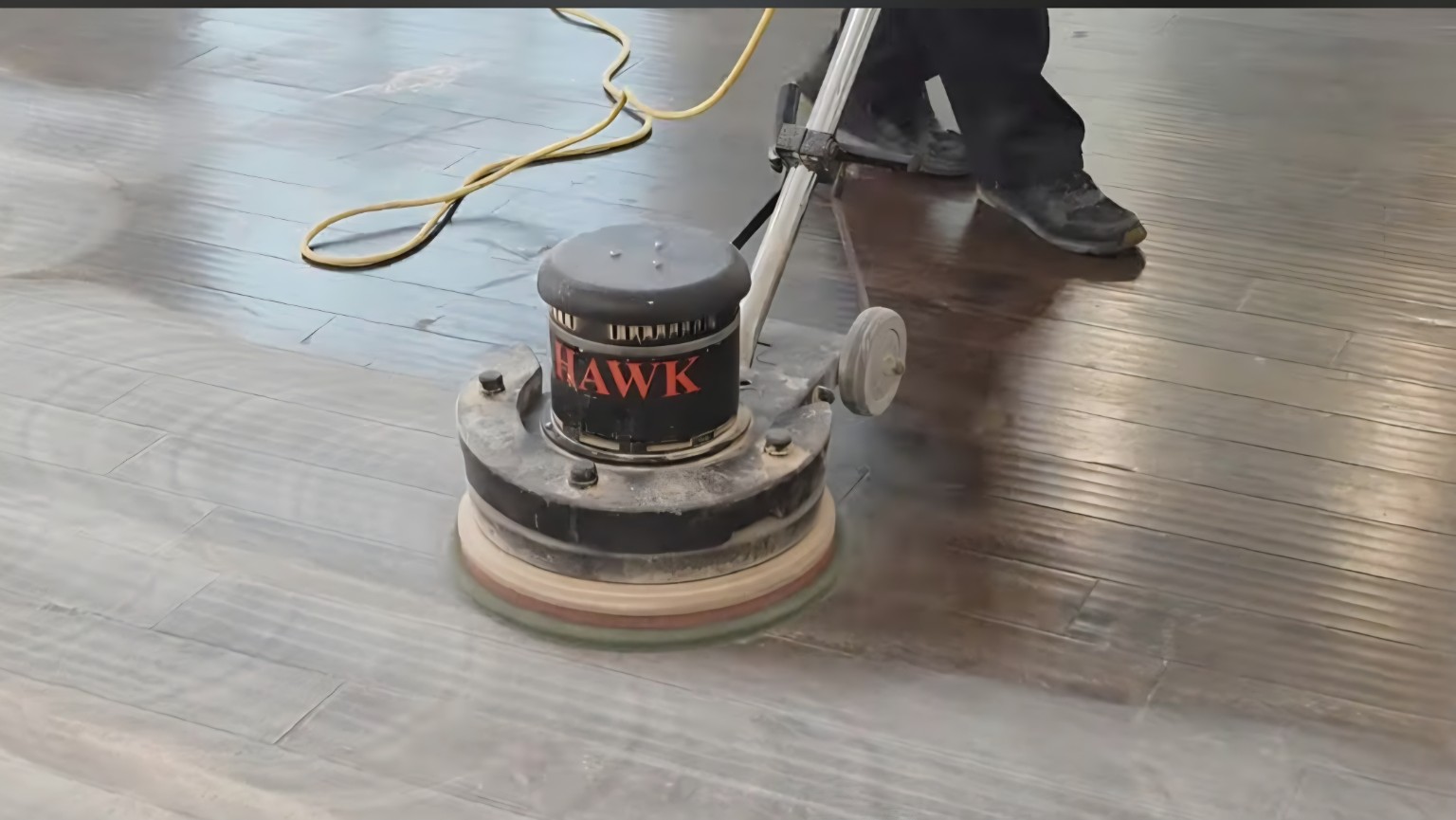
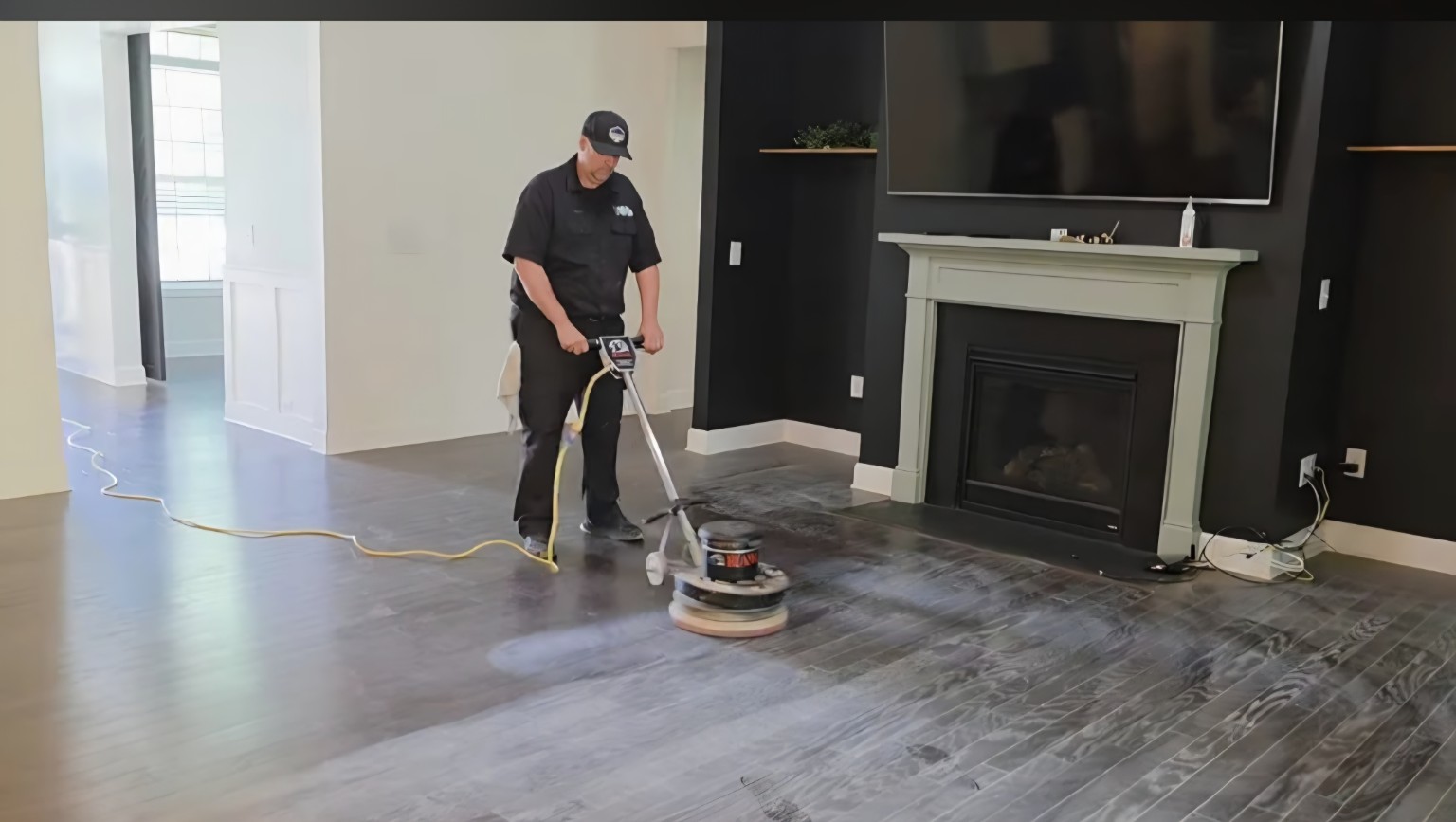
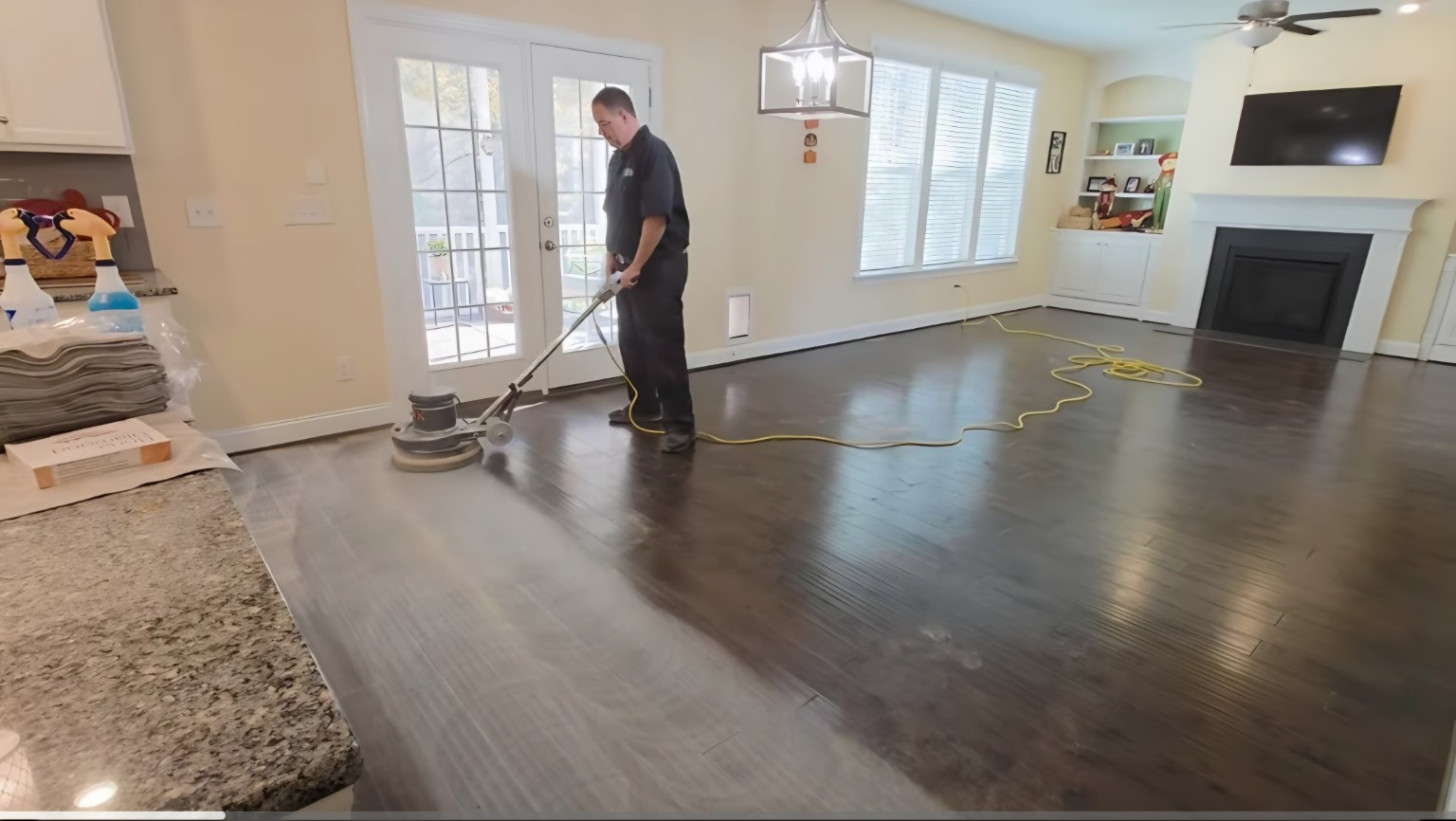
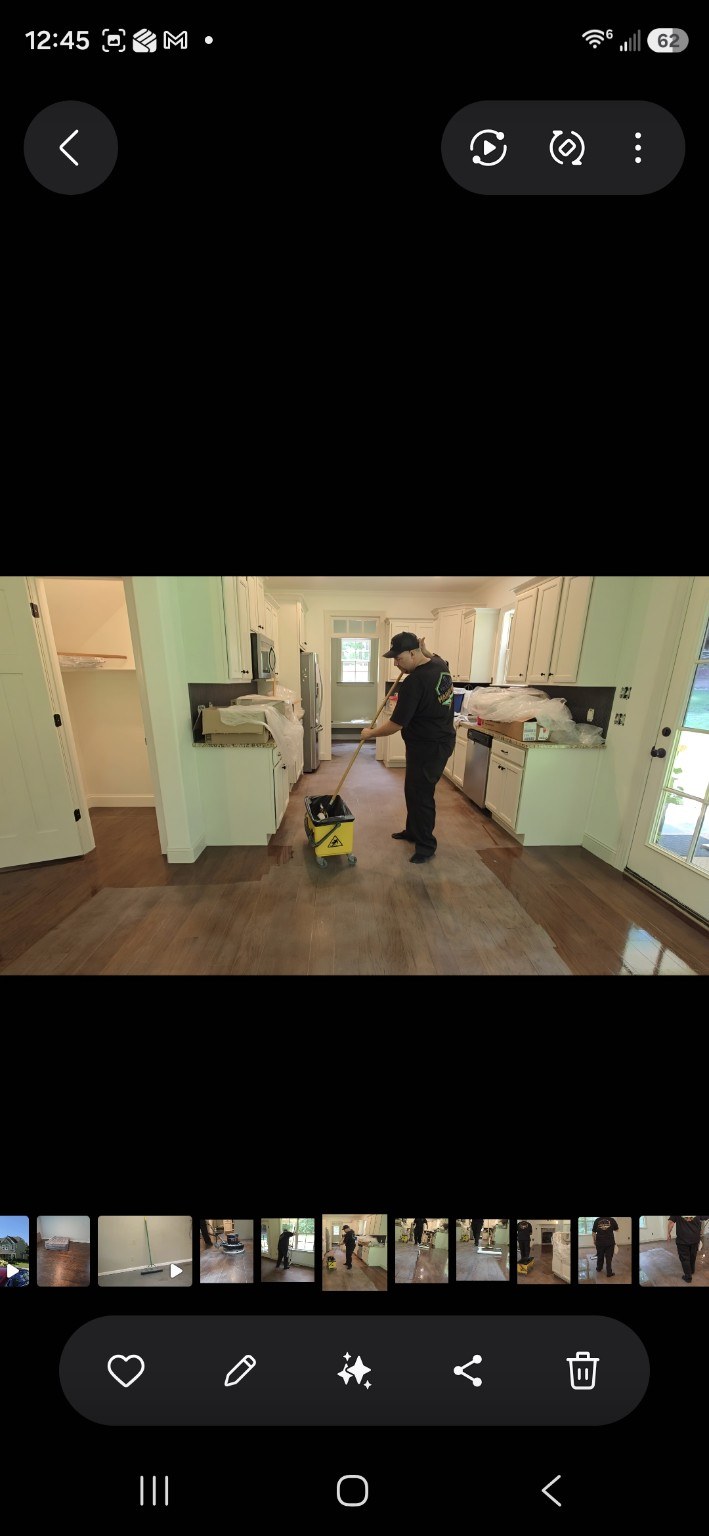
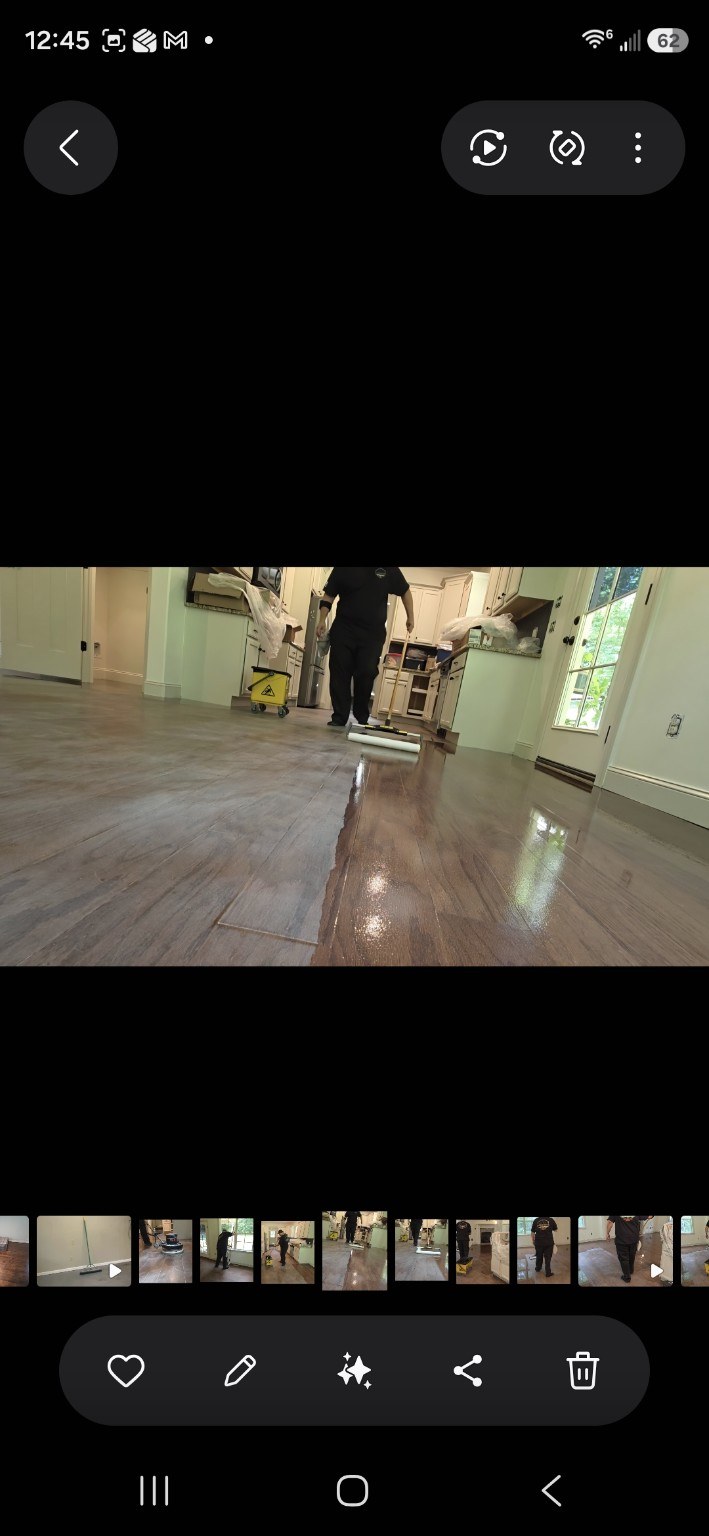
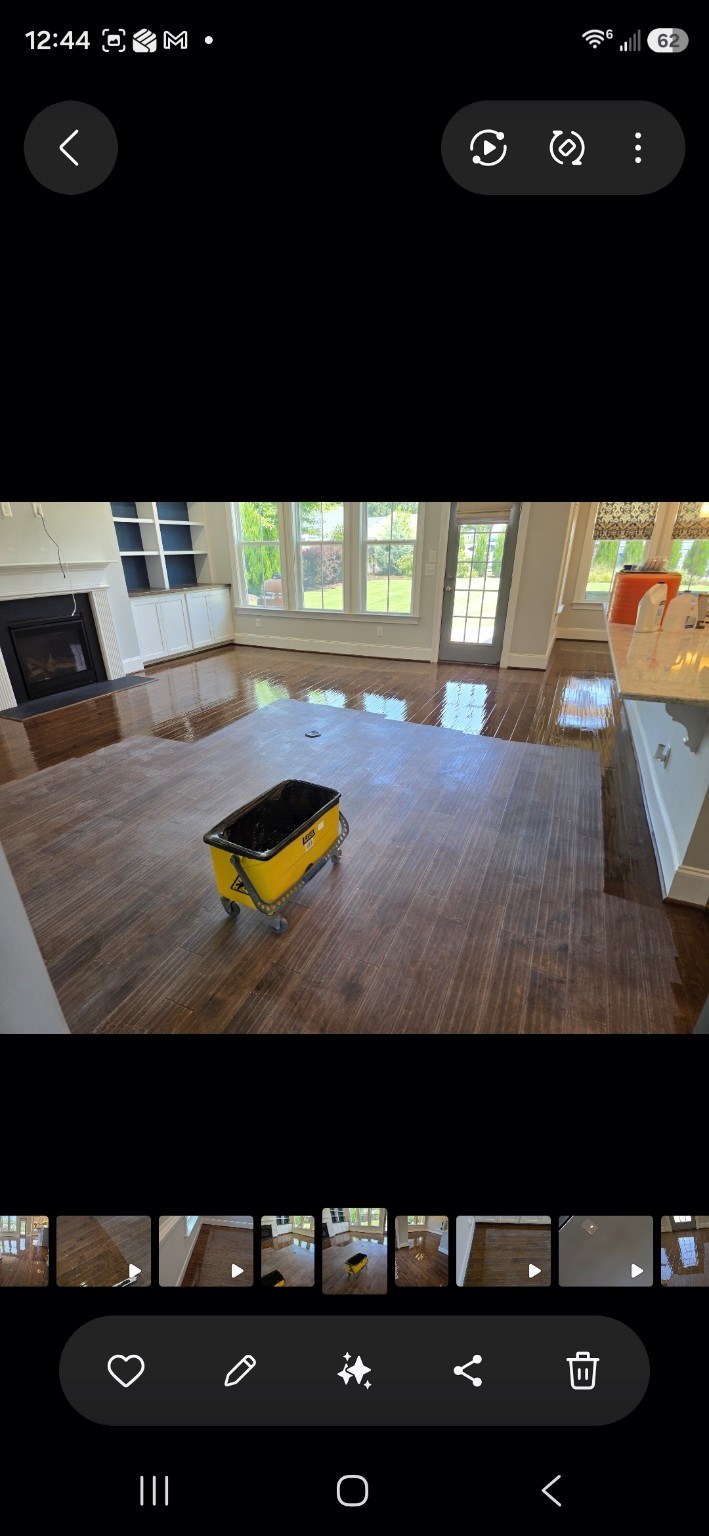
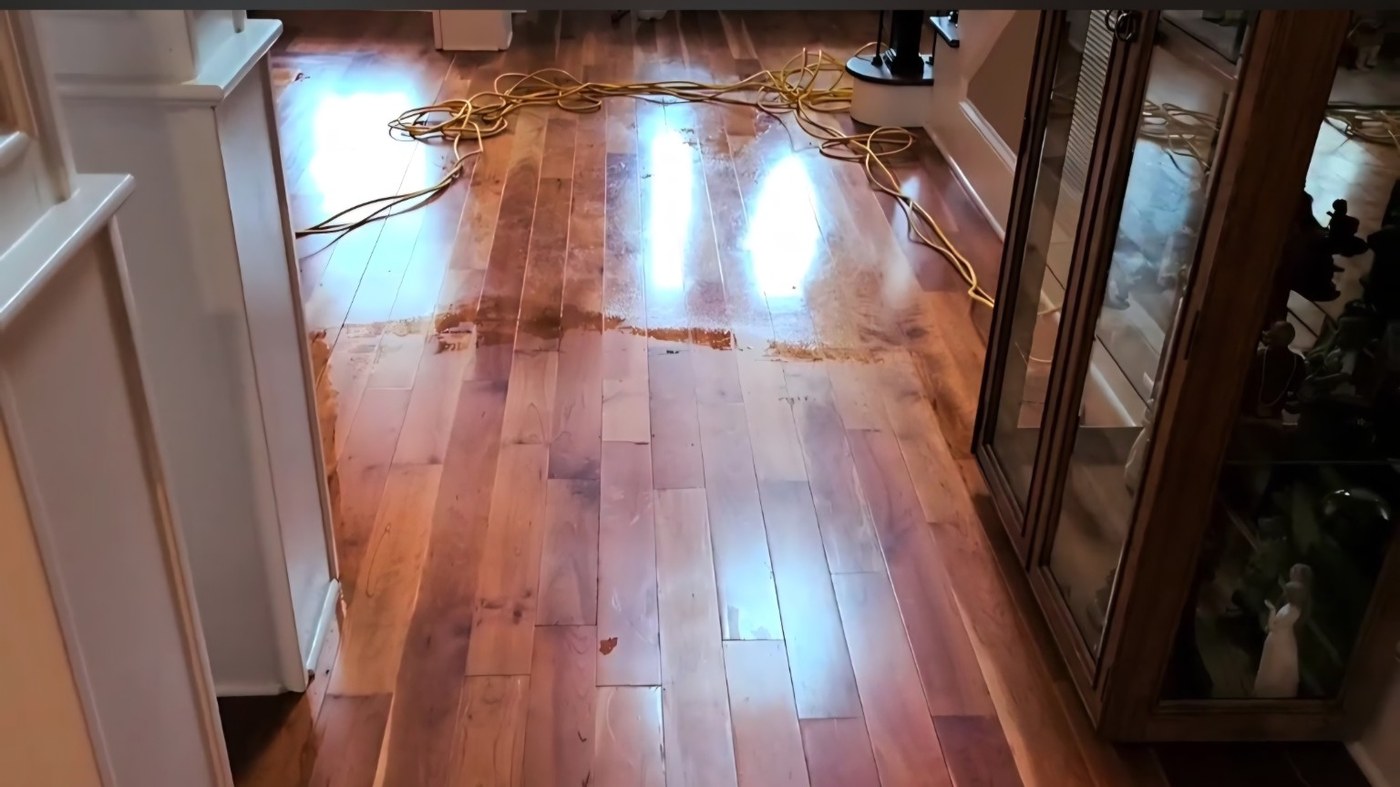
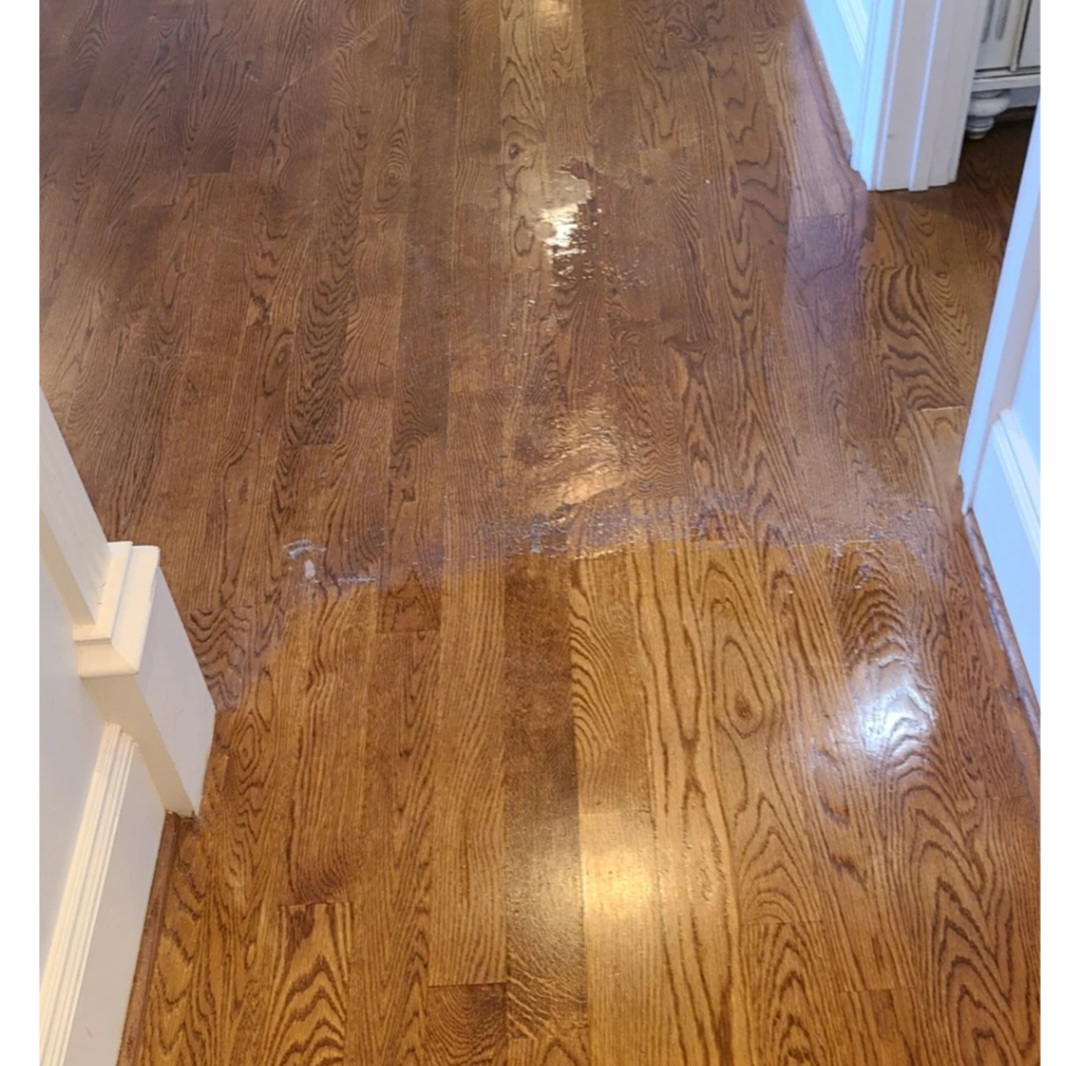
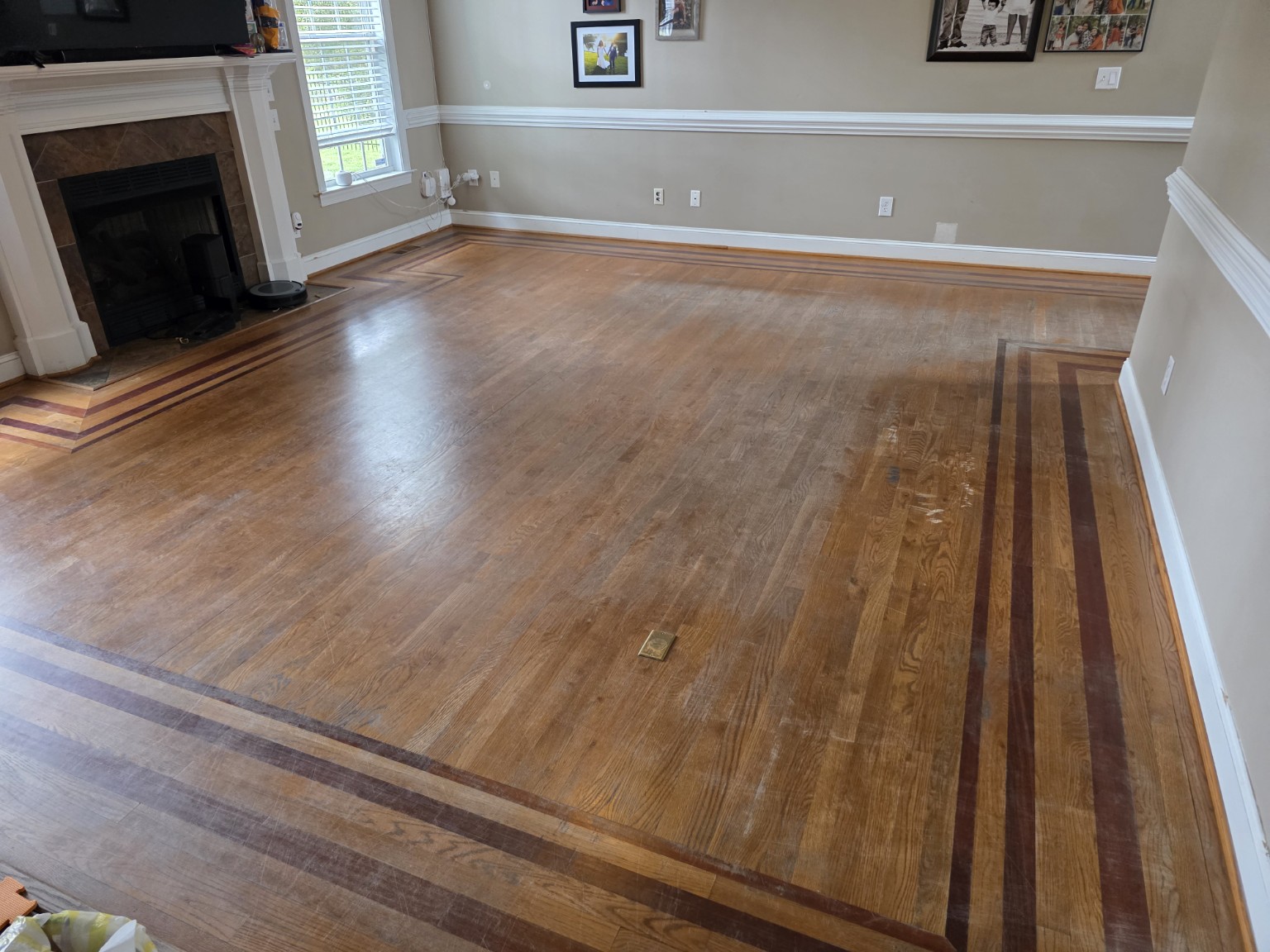
The exact improvement depends on the condition of the floor. These images demonstrate how professional preparation and a fresh finish can renew a worn surface.
 During Preparation
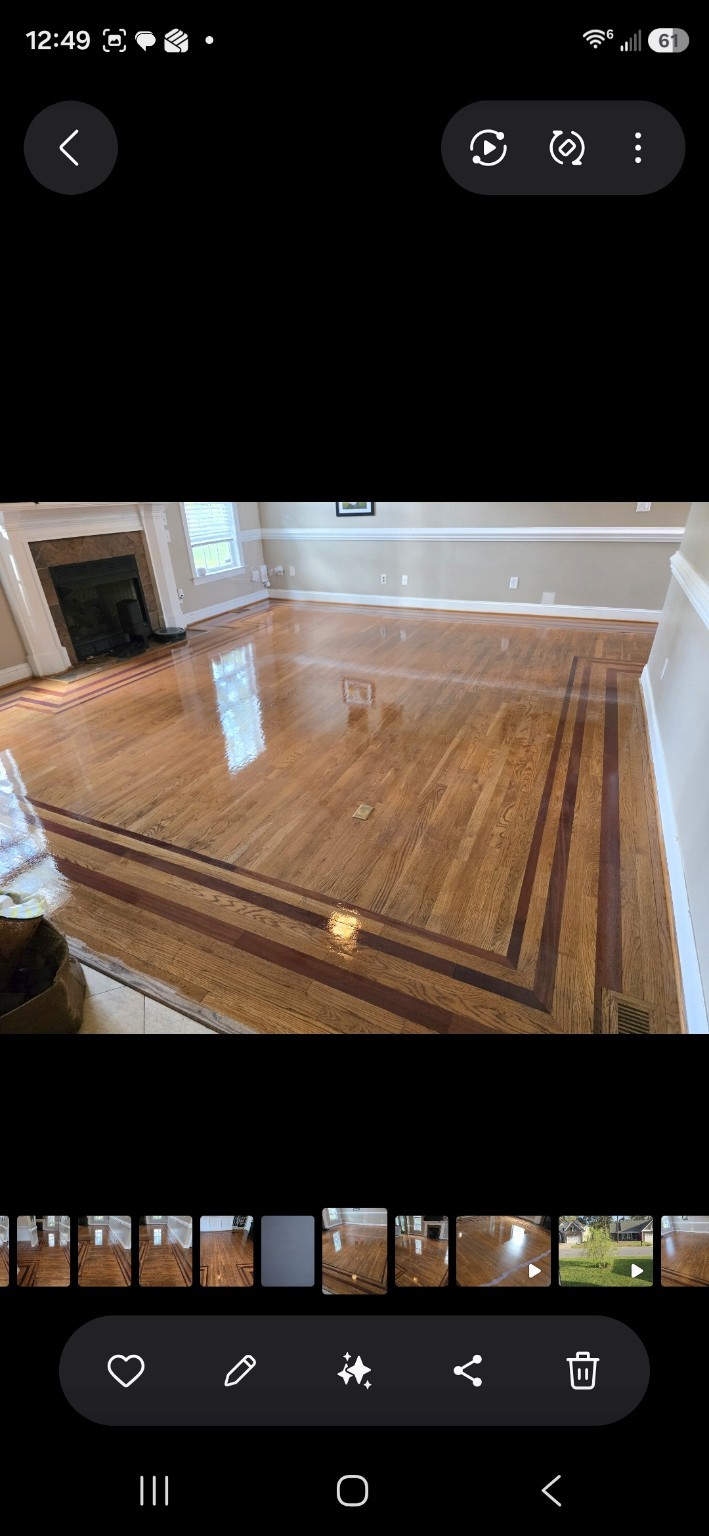 Finished Result
Rather than removing the floor’s character and stain color, the service focused on proper abrasion, cleaning and a fresh protective finish. The completed floor has greater clarity, a more consistent appearance and renewed protection.
A clean and buff, a screen and recoat, and full refinishing solve very different problems. Choosing the correct process protects both your floor and your investment.
The best service is not automatically the most expensive one. It is the least aggressive process that correctly solves the condition of your floor.
Best when the finish is basically healthy but covered with soil, residue or mild haze.
Best when the wood and stain remain sound but the protective finish is scratched, dull or wearing thin.
Needed when store-bought polish, wax or acrylic coatings have been applied to the original hardwood floor finish.
Best when damage has reached the stain or bare wood, or when a major color change is desired.
Every project is adjusted to the floor’s construction, existing coating and condition. The quality of the preparation determines the quality of the finished result.
We inspect the wear, identify the floor type and determine whether recoating is the appropriate service.
We look for wax, polish, acrylic coatings, contamination and potential adhesion concerns.
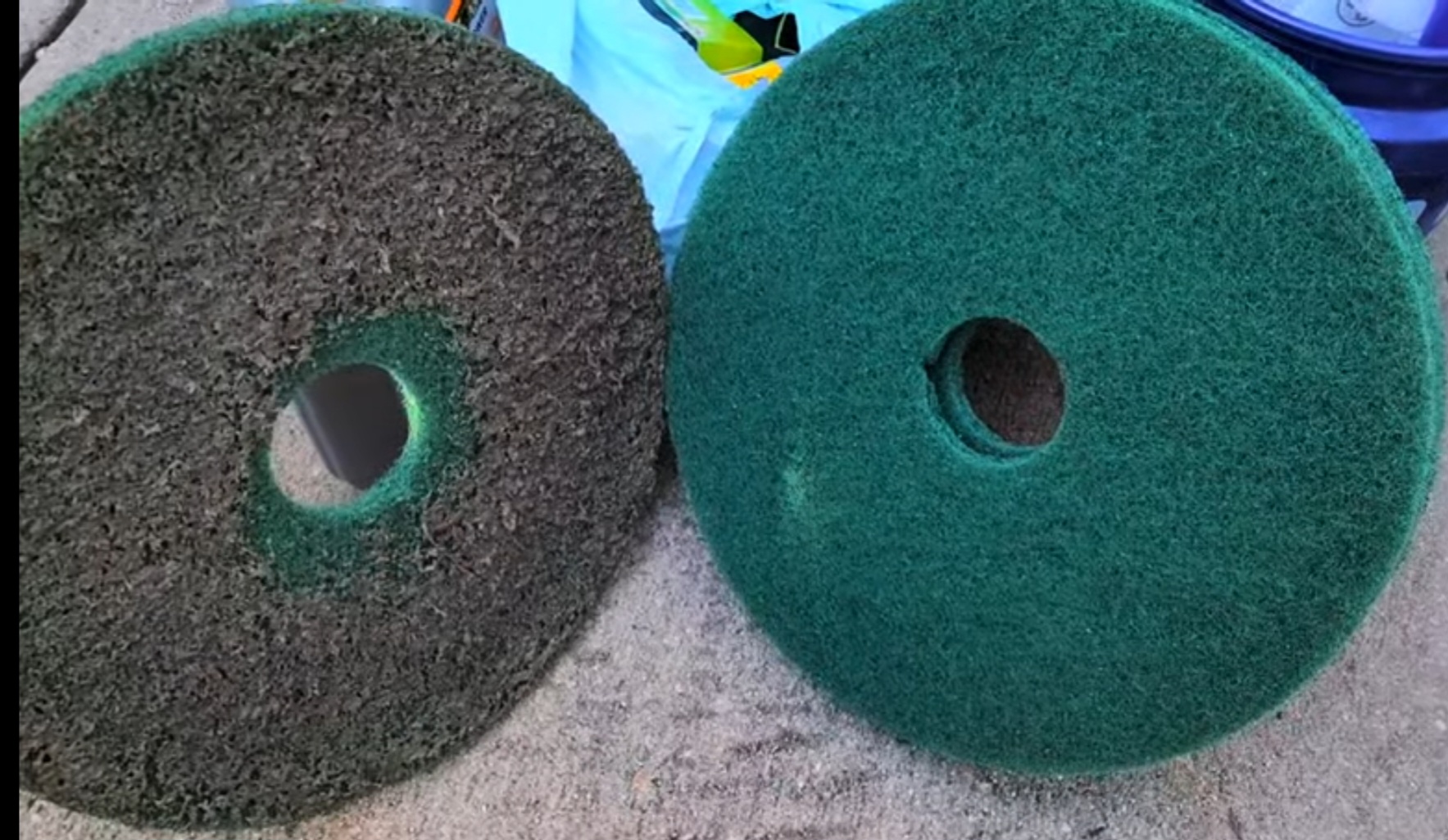
The floor is cleaned and mechanically abraded to remove surface wear and create an even bonding profile.
Edges, corners and difficult areas are prepared carefully. Minor stain touch-ups may be performed when appropriate.
Dust and residue are thoroughly removed so they are not trapped in the new finish.
A compatible professional hardwood finish is applied in the selected sheen.
We review the completed floor and identify any areas needing attention before the project is closed.
You receive clear guidance for walking, furniture replacement, rugs and ongoing maintenance.
Some popular “shine restoring” products leave layers that sit on top of the factory or polyurethane finish. A new coating applied over incompatible residue may fisheye, separate, peel or fail to bond.
That is why we do not automatically assume every dull floor can simply be screened and coated. The existing products and contamination must be identified first.