01
Cloudy or Hazy Floors
Water and moisture from mopping can become trapped within or beneath the acrylic buildup. This can leave the surface looking milky, cloudy or hazy.
Cloudy, dark, streaky or easily scratched floors may not be damaged wood. The problem may be layers of polish, restorer or acrylic coating sitting on top of the original finish.
Cloudiness, dark buildup and widespread surface scratching can make homeowners believe they need full sanding. Testing the coating first can reveal whether wax, acrylic polish or floor restorer is hiding an original finish that may still be serviceable.
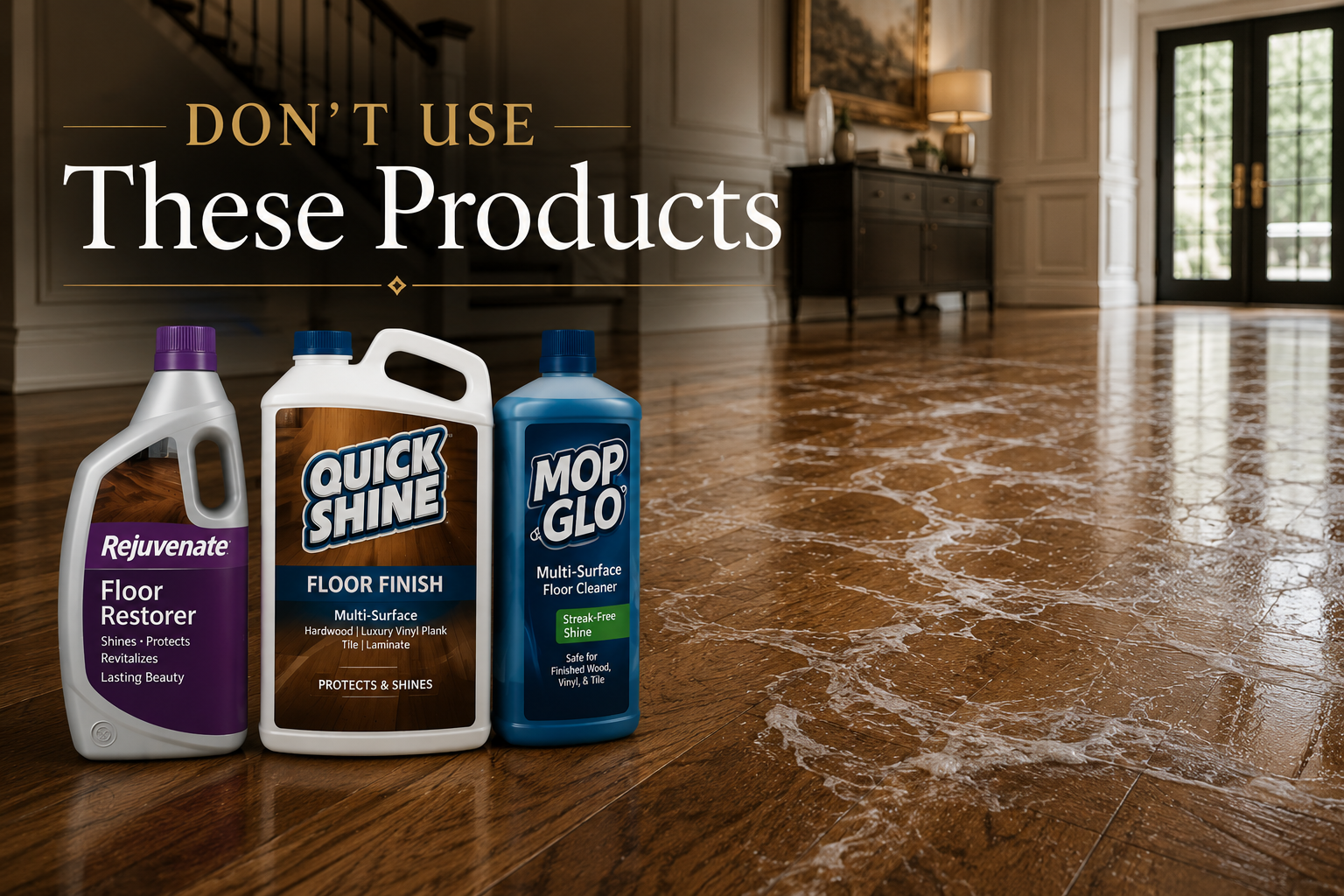
If you have used any of these products, your floor may have an acrylic buildup that can often be removed without sanding.
The floor underneath may be much lighter and in better condition than it appears.
Water and moisture from mopping can become trapped within or beneath the acrylic buildup. This can leave the surface looking milky, cloudy or hazy.
The visible scratches may be in the soft acrylic coating—not in the hardwood. Pets and daily traffic can mark these coatings much more easily than a properly cured polyurethane finish.
Fine dirt, dust and residue can become embedded in the sticky buildup. Over time, this makes the entire floor look darker, dingier and less vibrant.
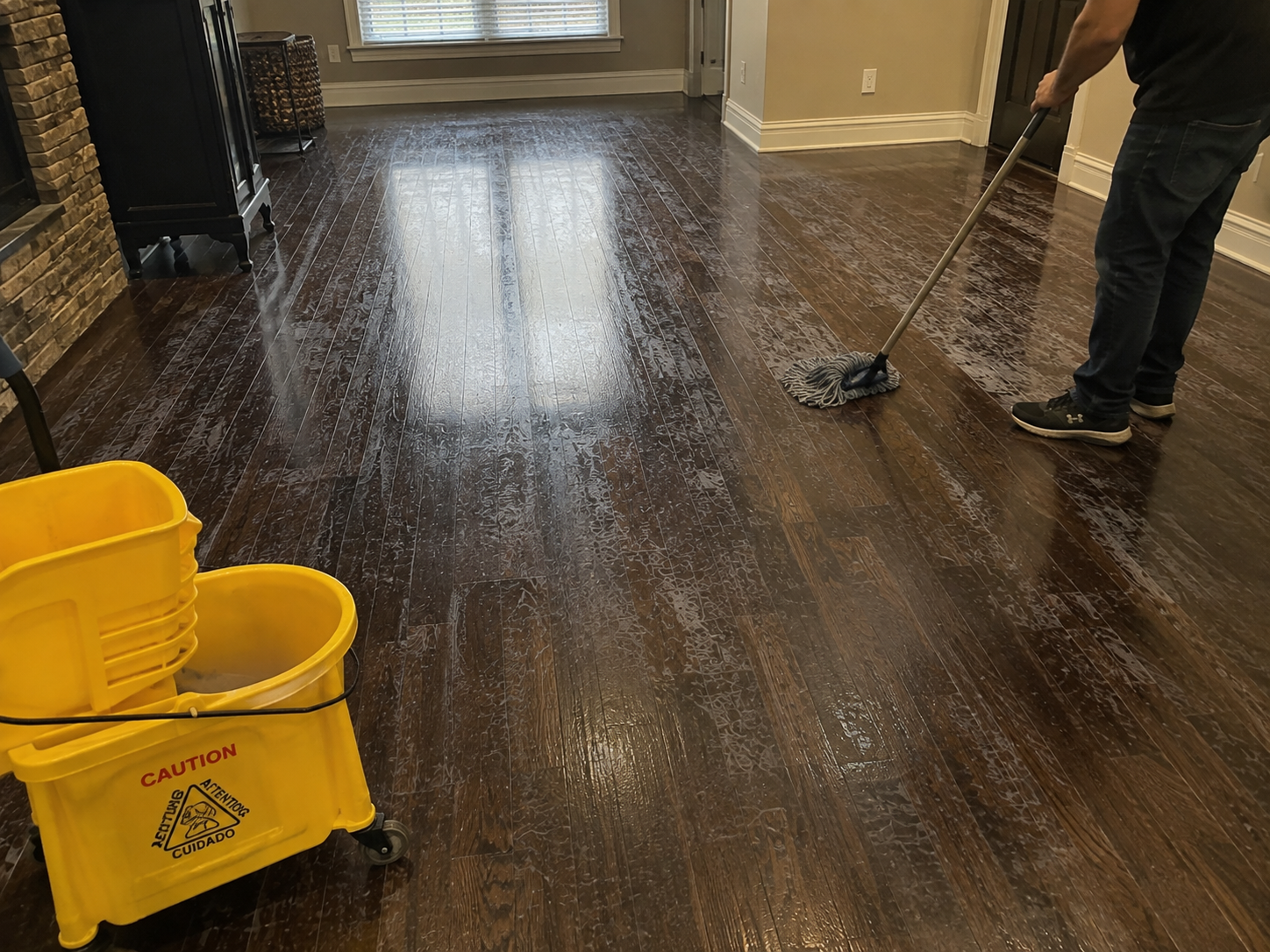
When a polish or acrylic restorer is layered over the original finish, moisture does not always behave the same way it would on a clean polyurethane surface. Damp mopping can leave water trapped in or under the coating, creating a cloudy appearance.
Adding another coat of polish usually does not solve the cause. It may temporarily add shine while making the buildup thicker and more difficult to remove later.
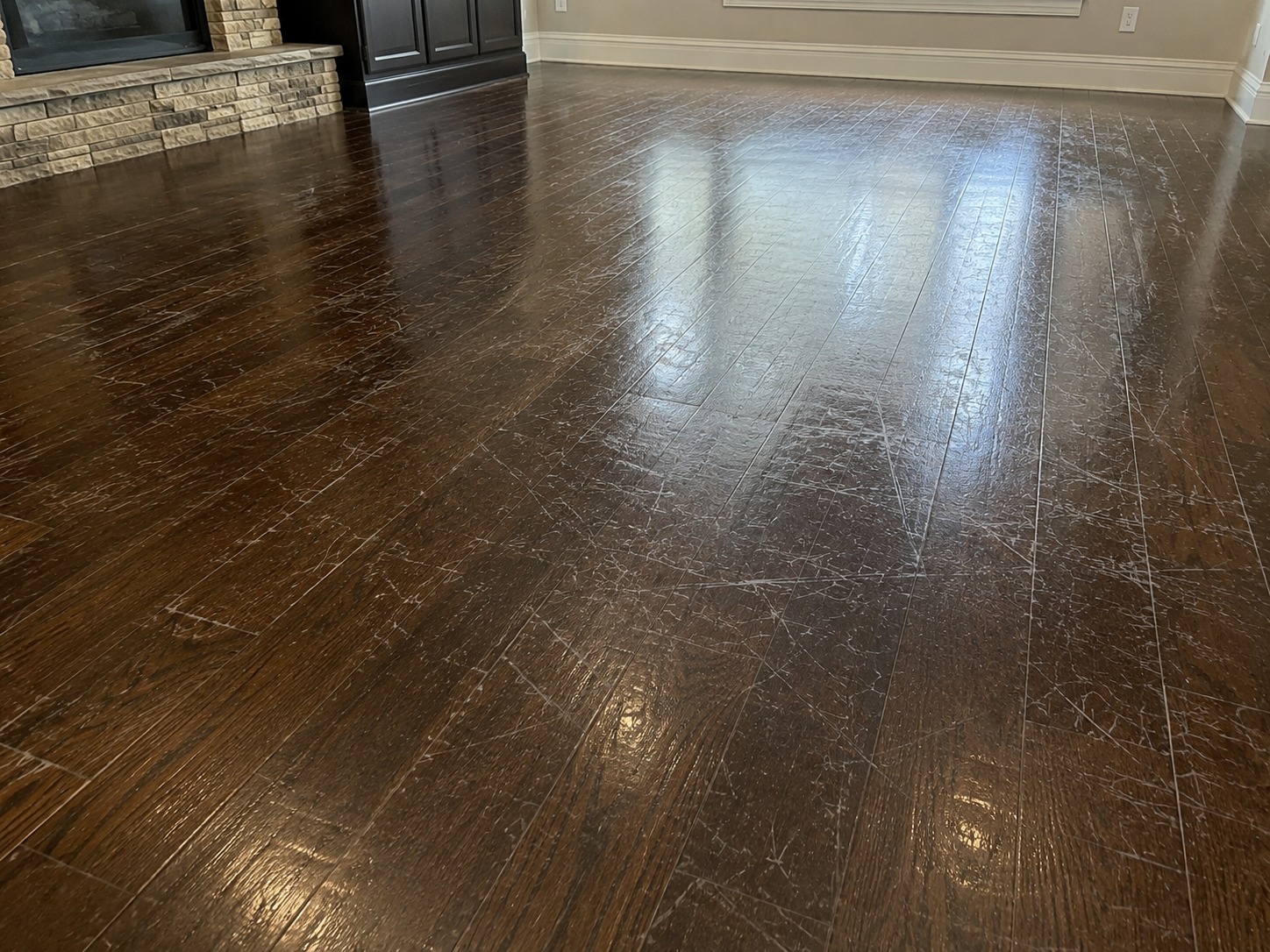
Many floor polishes and restorers create a softer acrylic layer over the original finish. That layer is not as durable or scratch-resistant as a professional polyurethane finish.
Pet nails, shoes, chairs and ordinary traffic can scratch the acrylic surface. Because the scratches scatter light, the floor can suddenly look badly damaged even when the wood beneath the coating is still intact.
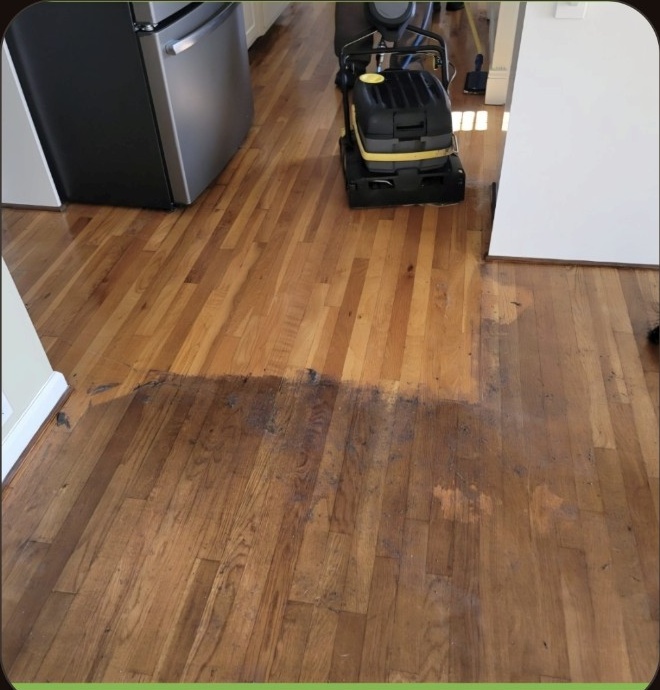
Polish and acrylic coatings can hold onto dirt, dust, cleaner residue and debris. As the contaminated coating builds up, the floor gradually appears darker and muddier.
Many of our clients are amazed by how much lighter, cleaner and more natural their hardwood looks after the wax, acrylic and trapped soil are removed.
Swipe across on your phone to view three real wax and acrylic removal projects completed by True Clean Hardwood Floor Refinishing.
The result depends on the condition of the original finish beneath the buildup, but the difference can be dramatic.
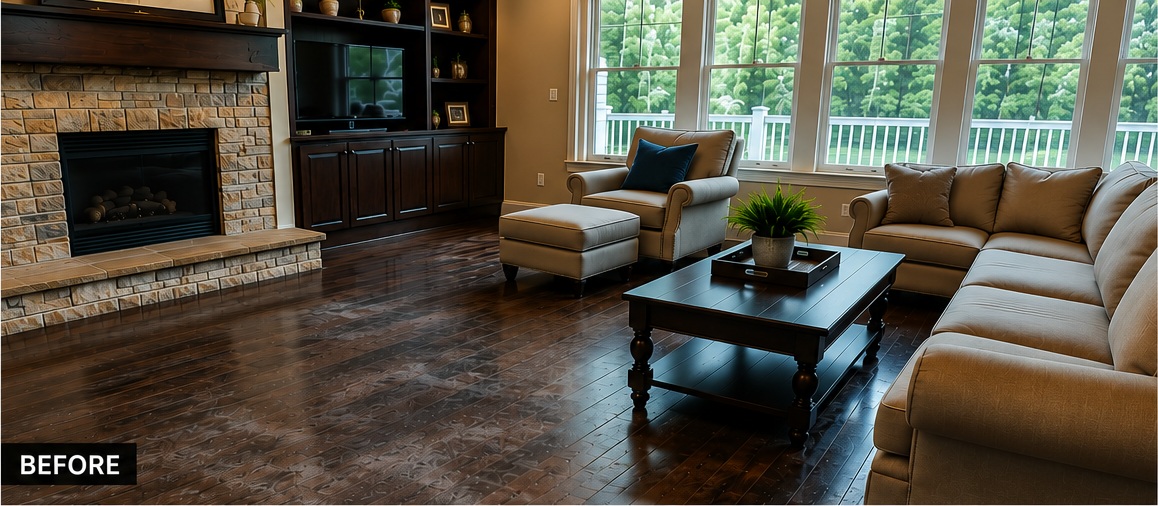
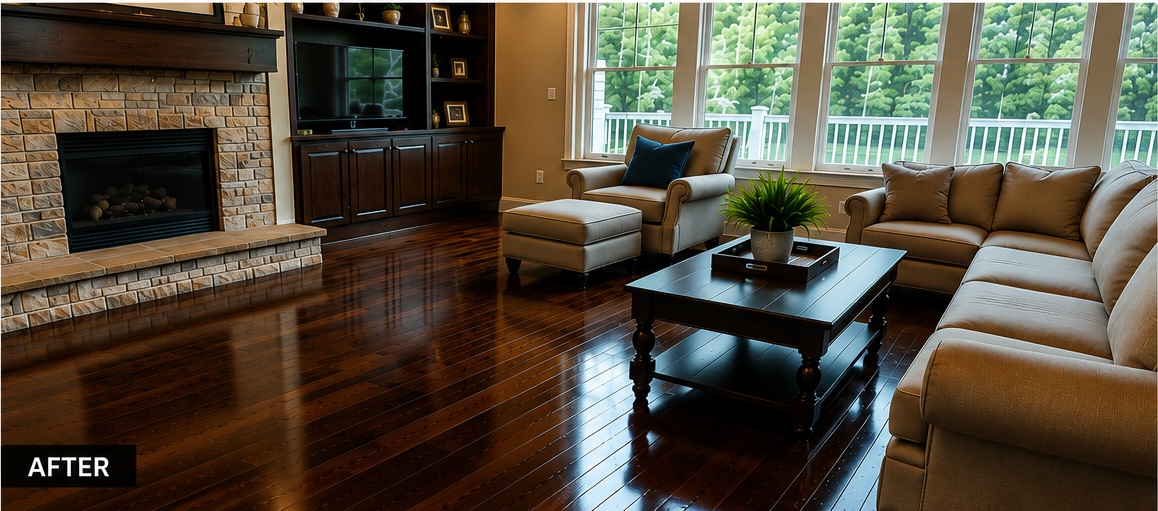
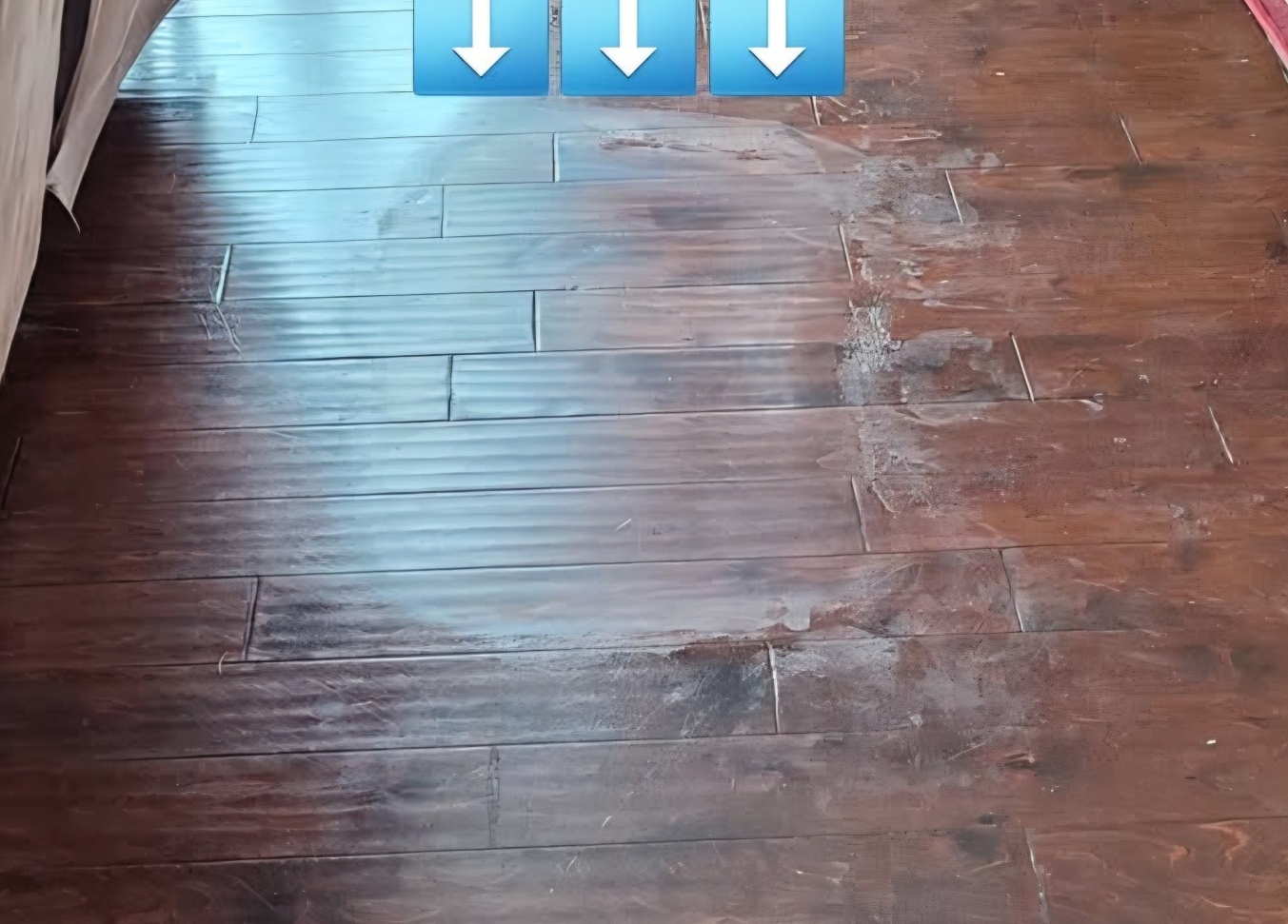
A floor covered in haze, scratches and dark buildup can look like it needs complete sanding. In some cases, however, the damage is mostly contained within the coating.
Removing and evaluating that buildup first may help avoid unnecessary sanding. If the original finish needs more protection after removal, a screen and recoat may be the correct next step.
Some popular “shine restoring” products leave layers that sit on top of the factory or polyurethane finish. A new coating applied over incompatible residue may fisheye, separate, peel or fail to bond.
That is why we do not automatically assume every dull floor can simply be screened and coated. The existing products and contamination must be identified first.
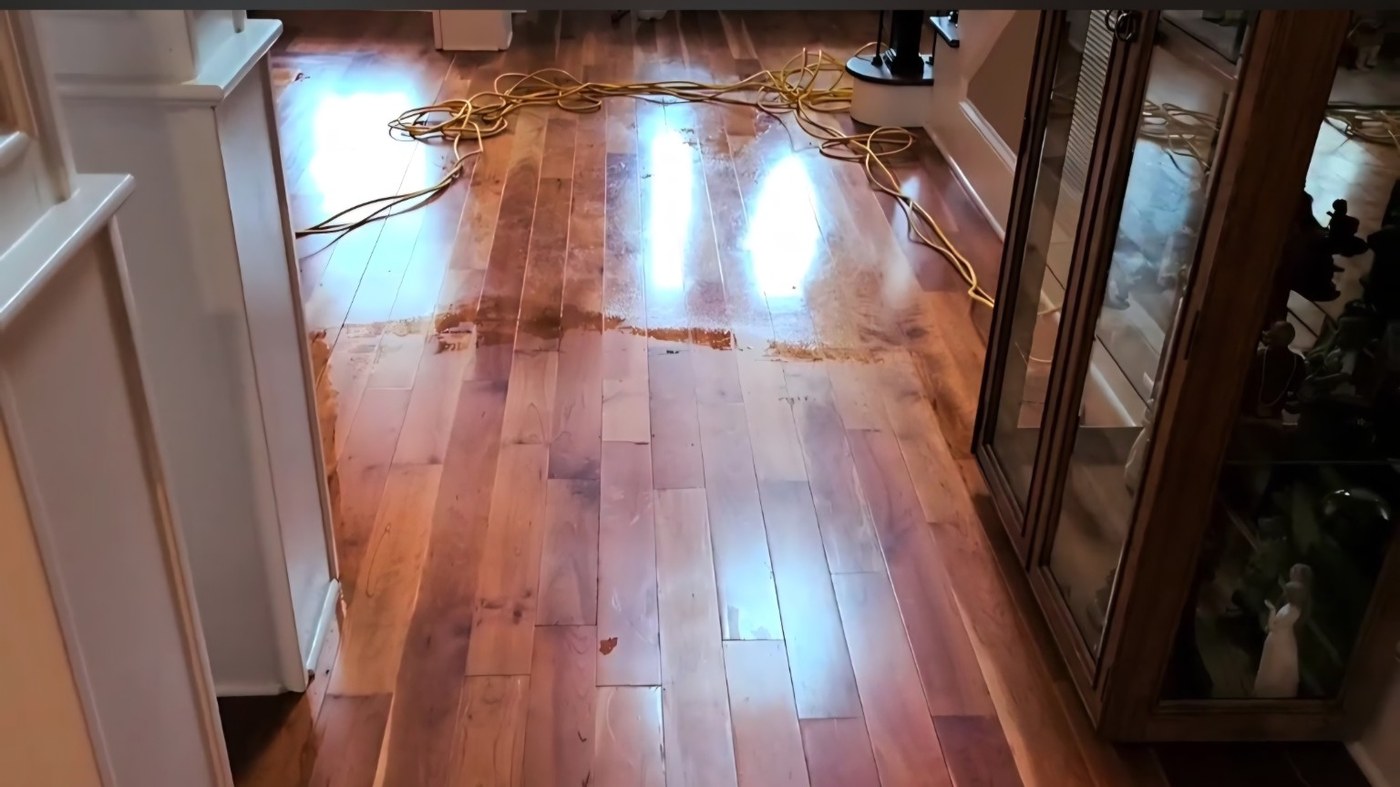
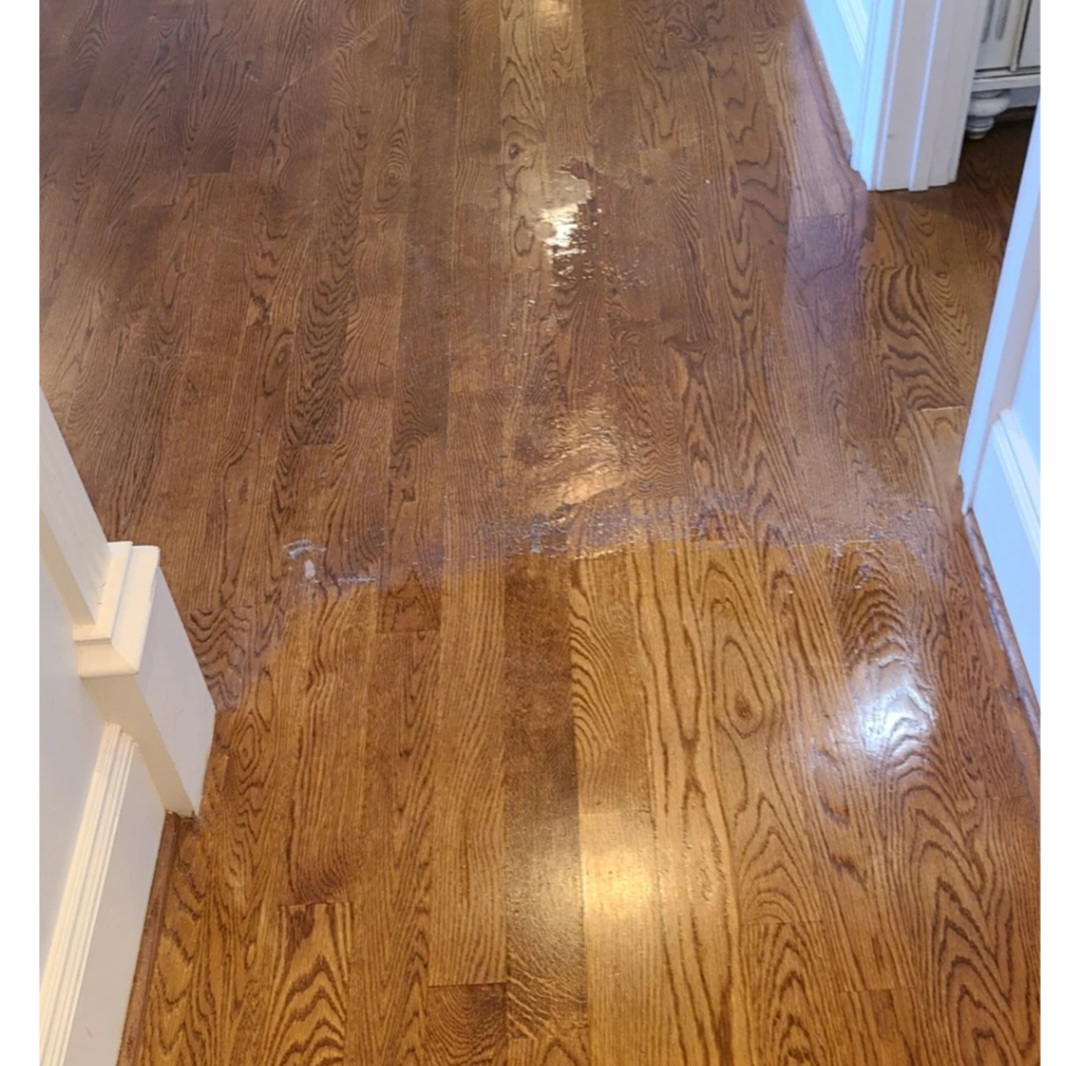
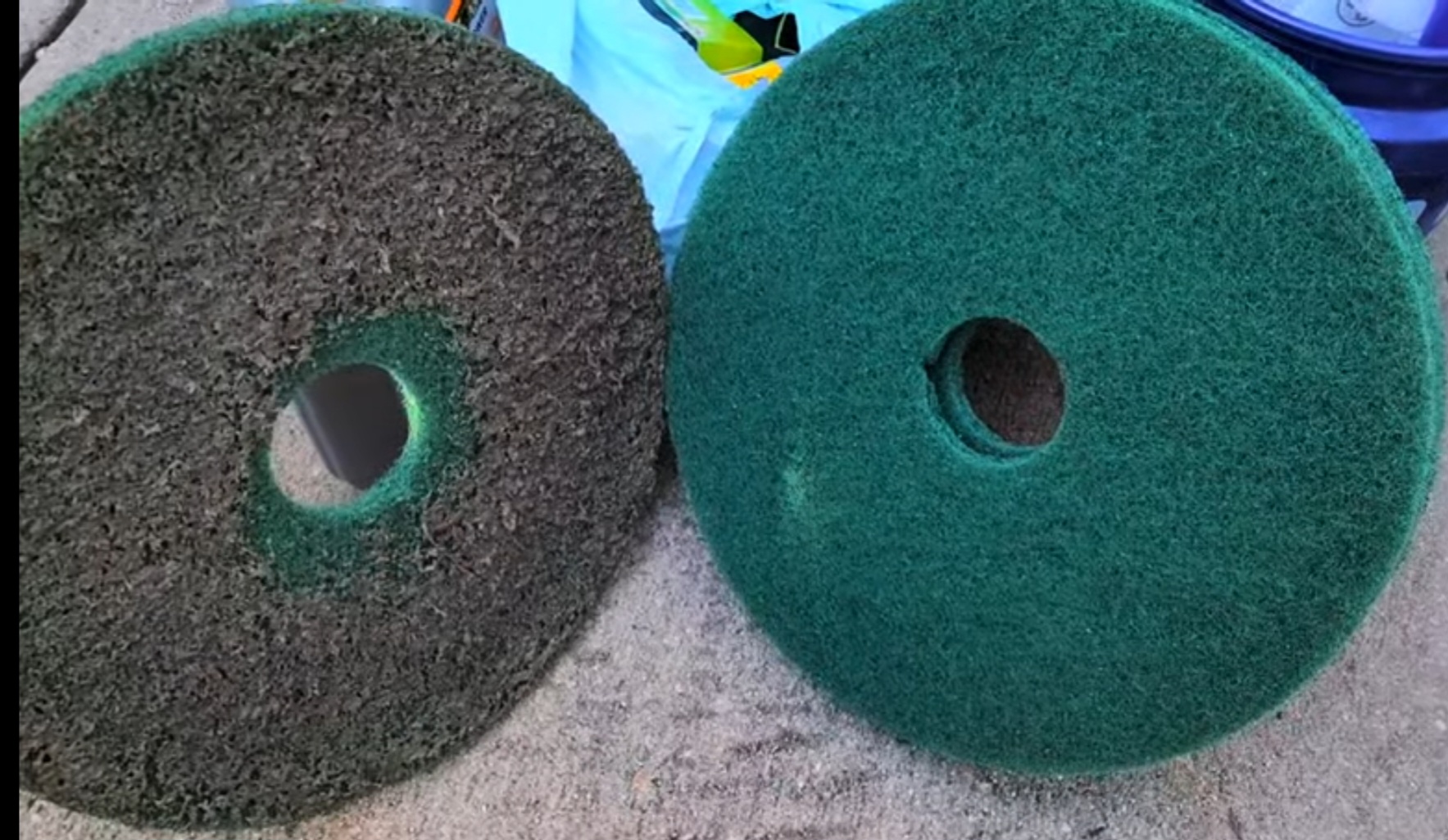
Send us a few photos of your floor and we’ll recommend whether it needs wax removal, a screen & recoat, or full sanding.
Get a Quote★★★★★ “We thought our hardwood floors were beyond saving. True Clean removed years of wax and acrylic buildup instead of sanding them, and the difference was unbelievable. They looked cleaner, brighter and more natural than they had in years. We would absolutely recommend them.”
— True Clean Hardwood Floor Refinishing Customer
We test the floor and determine what can be safely removed before recommending any additional refinishing.
We review the appearance, cleaning history and products previously used.
A controlled test helps identify the coating and the condition underneath.
The wax, polish or acrylic coating is removed using a floor-specific process.
Residue is removed so the original finish can be evaluated accurately.
We determine how much protection remains after the buildup is gone.
The floor may be left as-is, screened and recoated, or fully sanded if necessary.
Send several clear photos or a short video, tell us which products have been used and include your approximate square footage. We can often determine the likely problem and recommend the right next step.